

Abstract
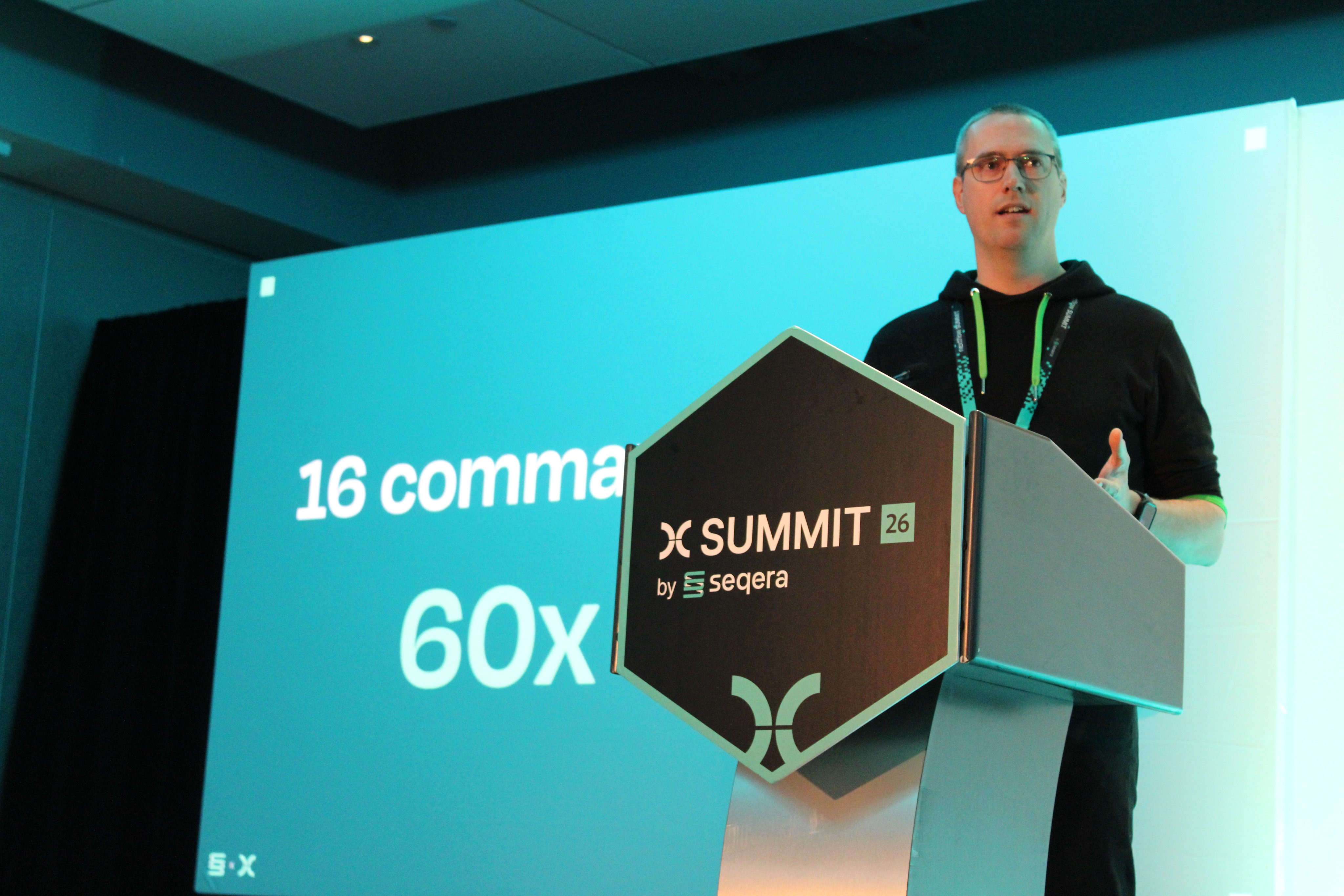
AI capabilities have shifted in 2026: we’ve reached a threshold where domain experts can create production-quality tool rewrites in days, without prior experience of the programming language. RustQC, a single Rust binary that replaces fifteen RNA-seq QC tools with a 60× speedup, was built in only a few weeks despite me never having written Rust code before. I wasn’t alone: multiple teams have been independently producing similar AI-assisted rewrites within weeks of each other.
I’ll walk through the RustQC architecture, and describe how I used Nextflow and nf-test as a test harness for agentic development. Deterministic pipelines, cached intermediate outputs, and snapshot-based assertions give AI agents a tight feedback loop where output correctness is enforced automatically, not left to the LLM’s judgment.
Finally, I’ll explore how this experience led to https://rewrites.bio - a set of principles for responsible rewrites. I’ll talk about different rewrite strategies (1:1 rewrites, upgrades or architectural rethinks), when each is appropriate, and when not to rewrite a tool. I’ll make the case that we can have the speed gains without fragmenting the ecosystem that keeps results comparable across studies.